Somewhere in the last two years, asking a computer for something turned into a craft. There are courses in it. People put it on their CV. And most of it exists because typing is expensive.
Prompt engineering is a real skill in a real context: when you get one shot, when the output is long, when you are paying per token and the model is fussy. Almost none of that describes talking to a coding agent about your own repository.
And yet the habit carries over. You catch yourself composing. Drafting the request in your head, deciding the wording is sloppy, starting again. All before typing a single character.
What happens when asking is free
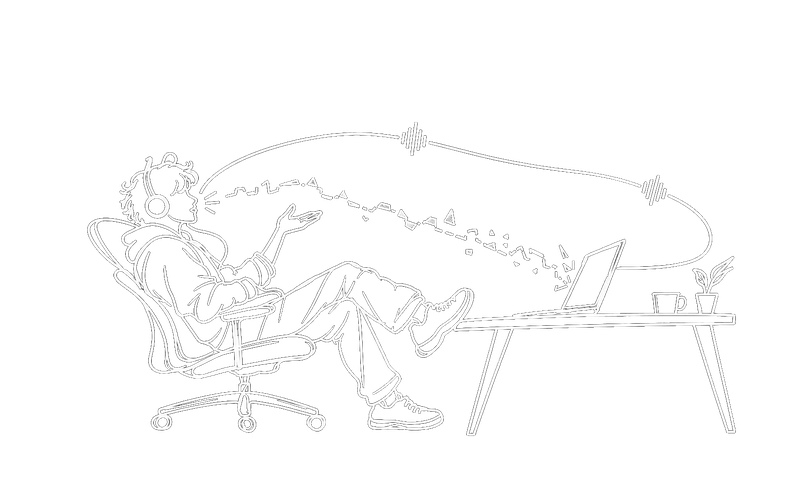
Voice coding changes the economics of the question itself.
If a request costs forty seconds to type, it is rational to optimise it first. You will only get one go before you have to wait, so you front-load the effort. That is where prompt-crafting comes from: not from models being mysterious, but from questions being expensive to ask.
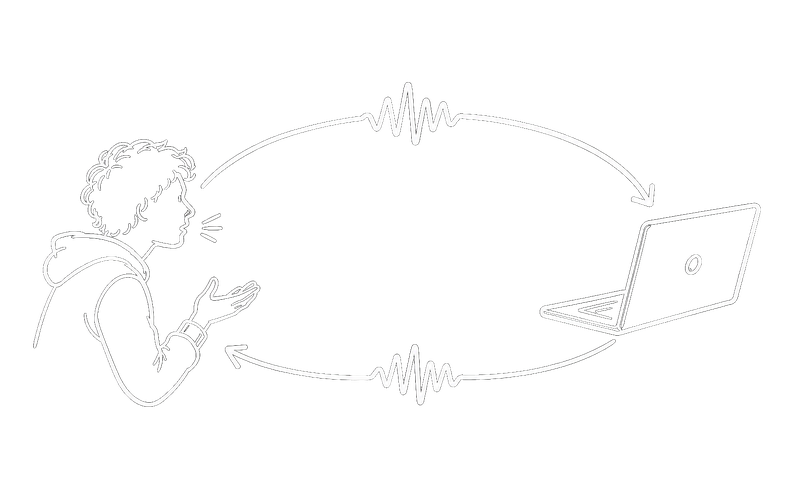
Say it out loud and it costs four seconds. At that price, optimising is the wasteful move. You just ask, and if the answer misses you say so, which costs another four seconds. Two rough passes beat one polished one, and they take less total time.
Perfecting the question is only worth it when asking is expensive.
Your worse sentences are better prompts
There is a second effect, and it is the one people find counterintuitive.
A polished prompt is a summary. You decided what mattered, dropped the rest, and handed over the conclusion. But the parts you dropped are exactly the context the agent could have used: the thing you tried yesterday, the reason you doubt your own theory, the constraint you assumed was obvious.
Spoken requests keep all of that, because you do not edit speech. You ramble slightly. You correct yourself mid-sentence. The result is a worse paragraph and a much better brief.
The real barrier is starting
Most of the friction in working with an agent is not the model, the tooling or the phrasing. It is the half-second where you decide whether this thought is worth the effort of expressing.
That decision runs hundreds of times a day, and it quietly filters out most of what you might have asked. Not the big tasks, those clear the bar easily. The small ones, the uncertain ones, the ones you would feel slightly silly typing.
Lower the cost of asking and that filter stops firing. You stop pre-judging which thoughts deserve to become work.
So: just ski it
Do not compose. Do not draft. Do not decide whether the question is well-formed. Say the messy version, hear what comes back, and go again if it missed.
That is the whole practice, and it is why voice coding feels less like using a tool and more like having someone to ask.