Every codebase has a list nobody wrote down: the misleading variable name, the log line that never got removed, the test that’s been skipped since March. None of them take two minutes. None of them get done.
It isn’t laziness, and it isn’t prioritisation. It’s that the fix costs two minutes and noticing costs nothing, while acting costs a context switch.
The real price of a small task
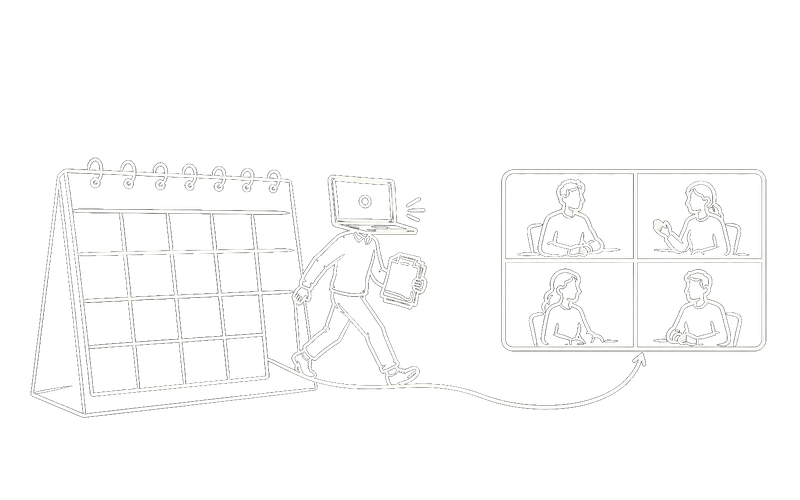
You spot the thing at 3pm, in the middle of something else. To act, you’d have to leave what you’re doing, open the other file, hold your current thought somewhere safe, make the change, and find your way back.
The change is two minutes. The round trip is fifteen, and the risk is that you don’t make it back cleanly. So you do the rational thing: you note it mentally and carry on. And then you forget, because you were busy, which was the whole reason you didn’t do it.
Multiply by a team and a year, and that’s most of what people mean by technical debt. Not the big architectural mistakes, those get discussed. It’s the thousand small corrections that were each individually not worth the interruption.
Nothing on that list was ever too hard. Each one was just too interrupting.
What changes when saying it is the whole action
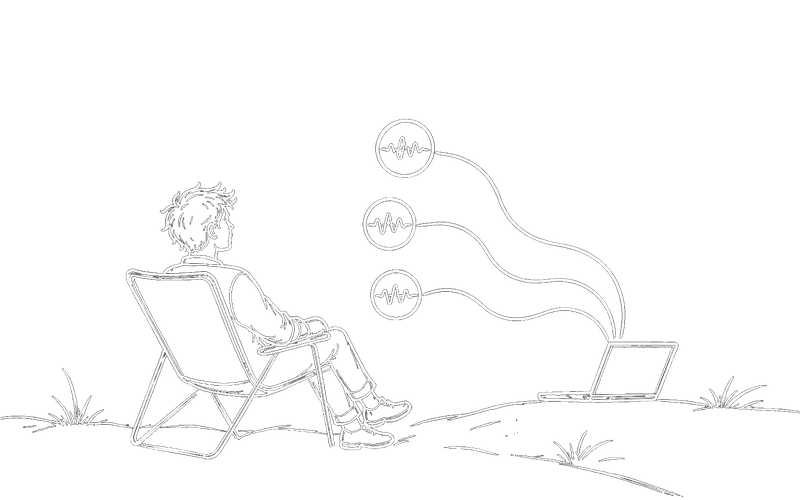
If you can hand the task off by saying it, the arithmetic inverts. You keep your hands where they are, keep looking at what you were looking at, and say:
“In the upload handler, rename tmp2 to something meaningful and drop the commented-out retry block.”
You didn’t leave. You didn’t open the file. Your current thought stayed where it was, because nothing displaced it, and when the agent comes back out loud a minute later, you either say “yes, commit” or you don’t.
This is the least glamorous argument for voice coding and possibly the strongest one. The task didn’t get faster. The interruption got removed, and the interruption was the entire reason the task wasn’t happening.
The habit that forms
What you notice after a week isn’t that you’re working faster. It’s that the running list in your head is shorter.
Things you’d have carried for a month get said the moment you see them. The dead flag gets deleted while you’re still looking at it. The confusing name gets fixed at the moment of confusion, which is also the only moment when you’re certain what it should have been called.
There’s a quieter benefit too: you stop rehearsing. A lot of mental energy goes into holding a to-do list that exists nowhere else. Saying things out loud as they occur retires that job.
One honest caveat
Lowering the cost of asking means you’ll ask for more, and not all of it should be committed unreviewed. Small changes are still changes.
Approve-before-send exists for this: switch it on for the repository that matters and your spoken request becomes an editable draft you confirm first. The friction comes back, deliberately, and only where you want it.
If you want to try the pattern, connect one project and spend a day saying the small things instead of noting them. That’s the five-step setup.